
Early Signals
Before permanent towers
Fire, bells, and coastal memory
Before masonry towers, navigators relied on elevated fires, sound signals, and local knowledge passed between crews.
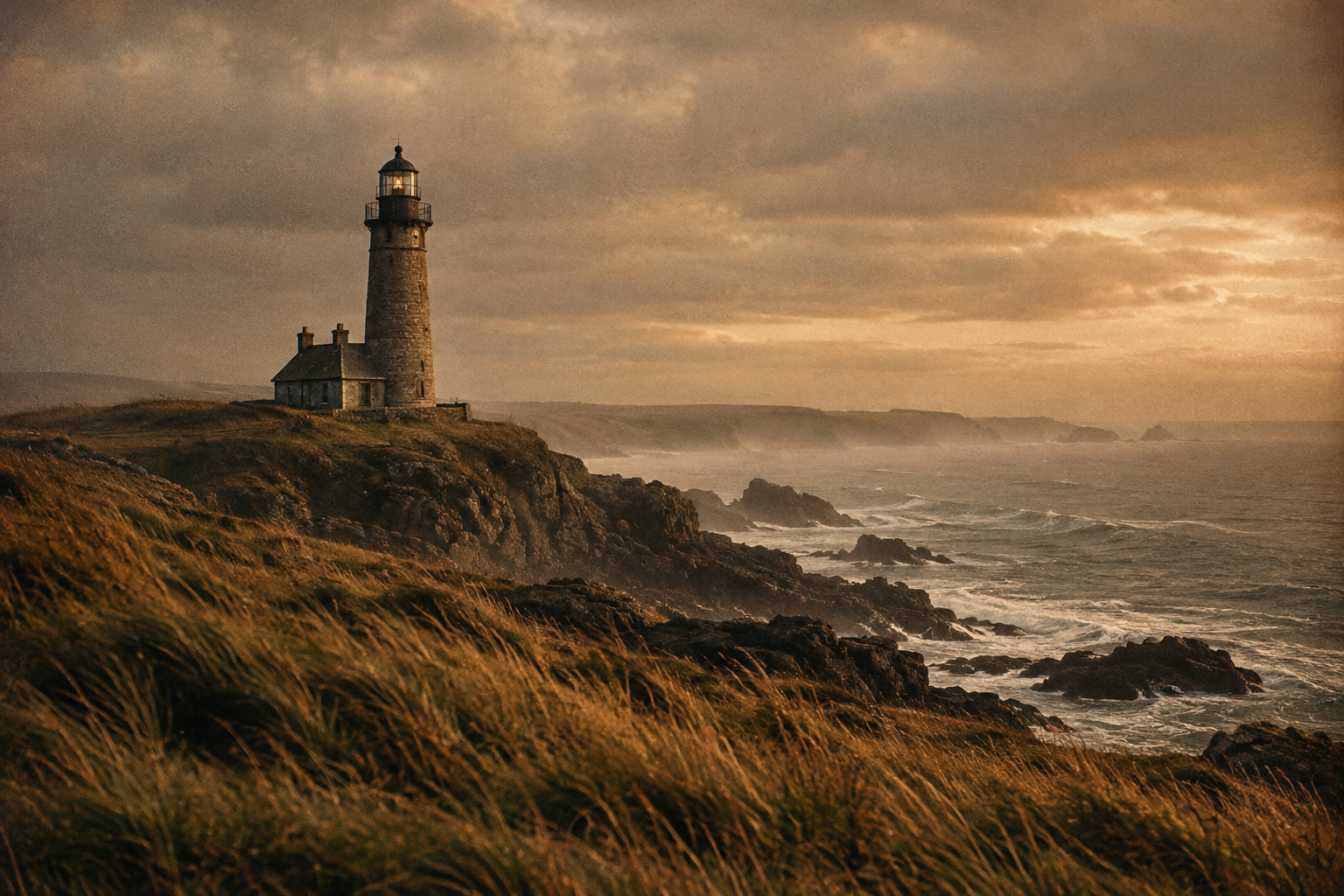
A living archive of light and weather
Explore dated photographs, keeper accounts, and preservation context from the northern shoreline's surviving lighthouse record.
Light Through Time
Archival reference tracing lighthouse towers, keeper histories, and preservation status along the northern coast.
Historical timeline
A broad chronology of service, engineering shifts, and stewardship traditions that shaped lighthouse life along the northern coast.
Early Signals
Before permanent towers
Before masonry towers, navigators relied on elevated fires, sound signals, and local knowledge passed between crews.
Tower Building
The great construction era
Permanent towers brought engineered lenses, measured flashes, and recognizable silhouettes to dangerous approaches.
Keeper Service
Life on station
Keepers maintained lenses, fuel, logs, and weather observations while families adapted to isolation and hard seasons.
Automation
Changing technology
Electric lamps and automated controls reduced staffing while extending the working life of many coastal lights.
Preservation
The present chapter
Surviving towers now connect maritime safety, architecture, community memory, and coastal conservation.
Keeper Traditions
These vignettes are interpretive composites that evoke recurring duties recorded across keeper traditions, rather than verified direct quotations from named individuals.
The Lamp Tender
The evening watch began with polished glass, trimmed wicks, checked fuel, and a final look toward the weather building offshore.
Reflective line (unattributed): The light was a promise renewed every night.
The Weather Keeper
Station logs captured more than routine: pressure shifts, ice, fog, and the changing sound of waves against the headland.
Reflective line (unattributed): You learned the coast by listening to it.
The Keeper’s Family
Meals, lessons, repairs, and long winters unfolded beside the machinery, making the station both workplace and home.
Reflective line (unattributed): Isolation made every ordinary task part of the watch.
Preserved tower reference
An engraved-style coast sketch to compare where surviving lights stand today and how their preservation conditions differ.
Interpretive reference map
Illustrative, not live survey data
North Head
Preserved exterior
A high coastal marker represented for orientation in this interpretive map.
Grey Sound
Community cared for
A compact harbor tower associated with sheltered approaches and local stewardship.
Long Point
Stabilized remains
A masonry landmark shown as a preserved coastal ruin rather than an active aid.
Windward Bay
Restored tower
A representative restored station illustrating adaptive preservation.
Cape Ember
Limited access
An exposed headland tower included to show the reach of the northern coast network.
Archive Collection
Six restored moments from the northern coast, arranged as a contact-sheet sequence to invite closer reading of light, labor, and place.
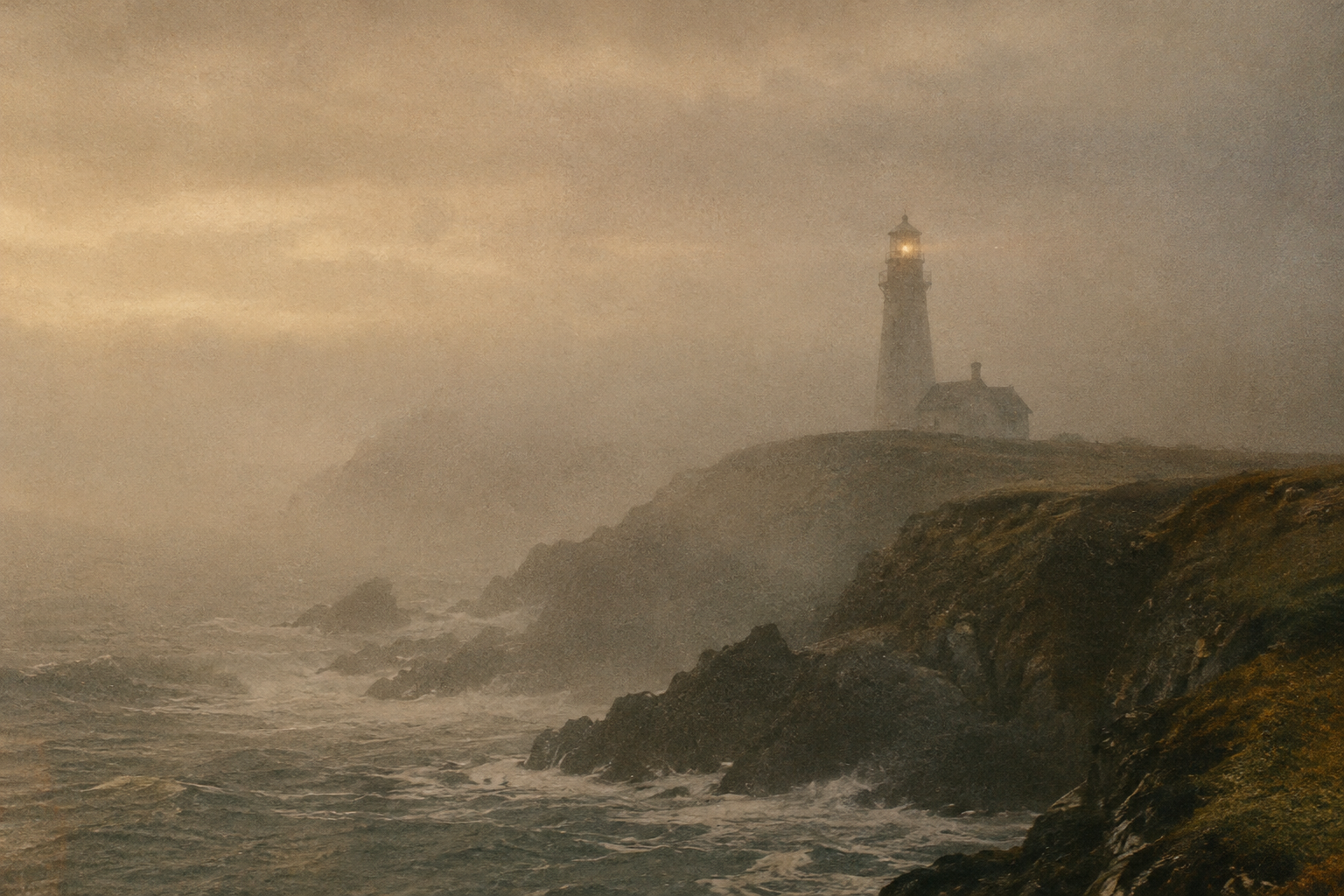
A distant lantern profile dissolves into weather along the headland.
Atmosphere study · northern coast
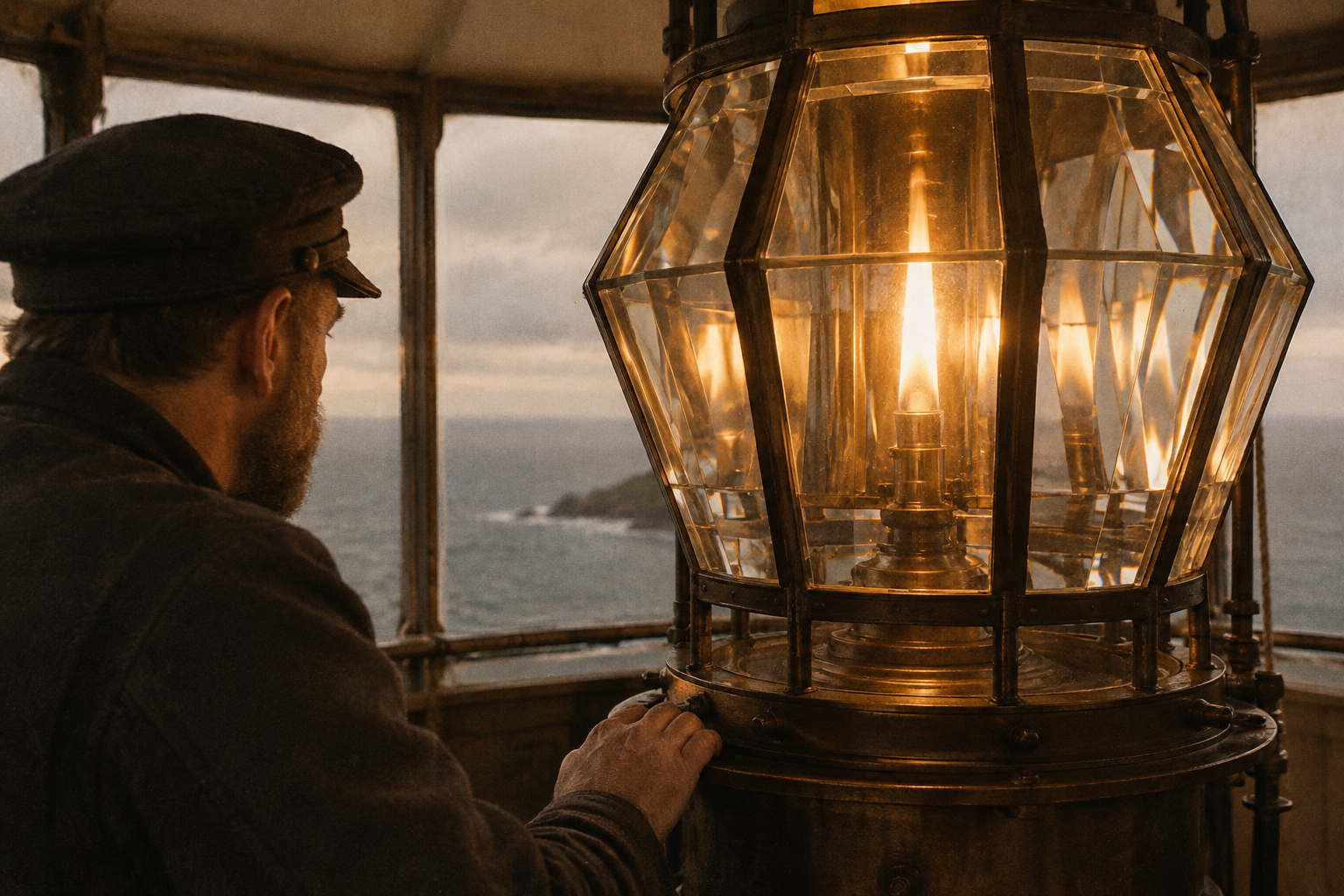
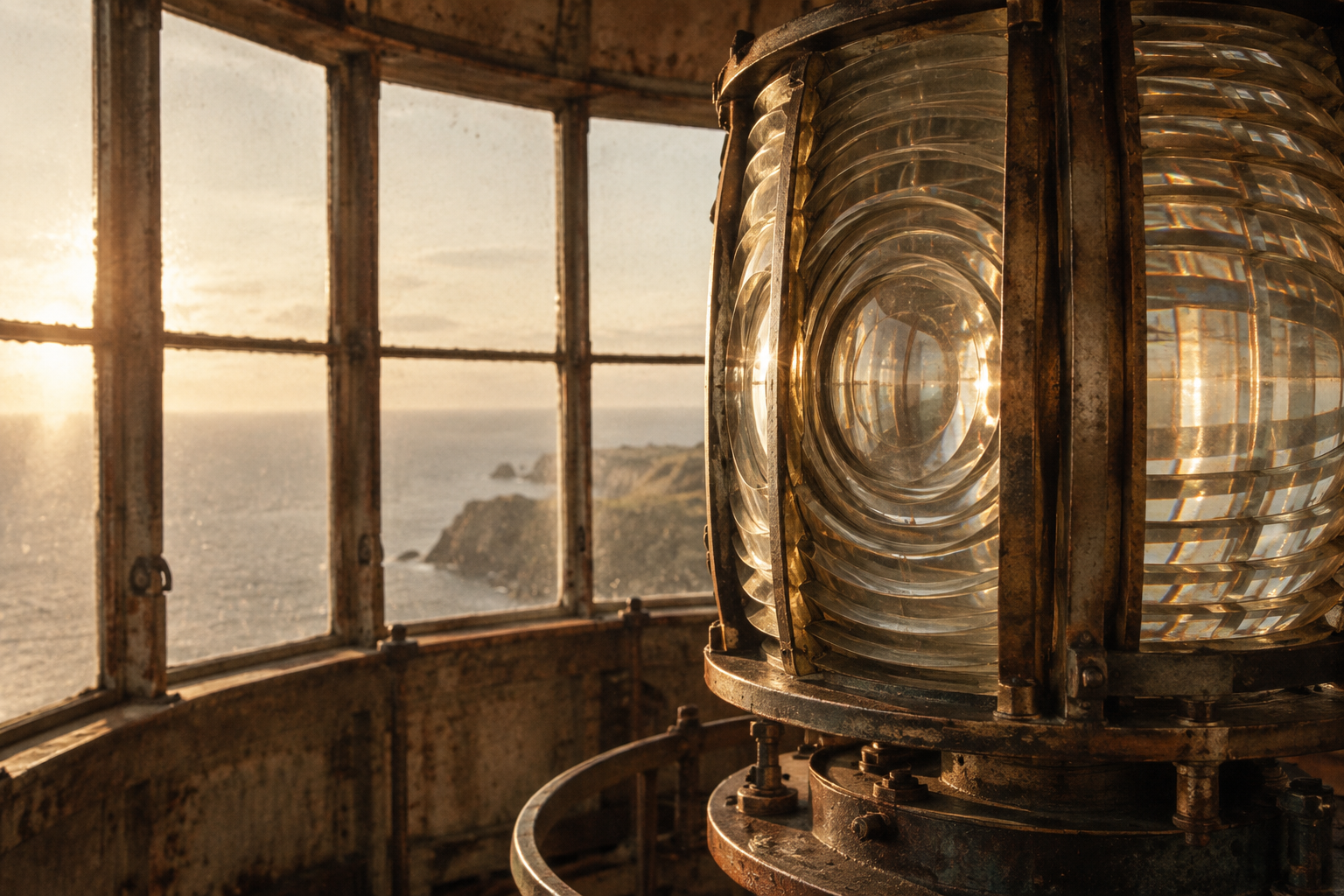
Faceted glass turns a small flame into a signal seen far offshore.
Optical detail · collection view
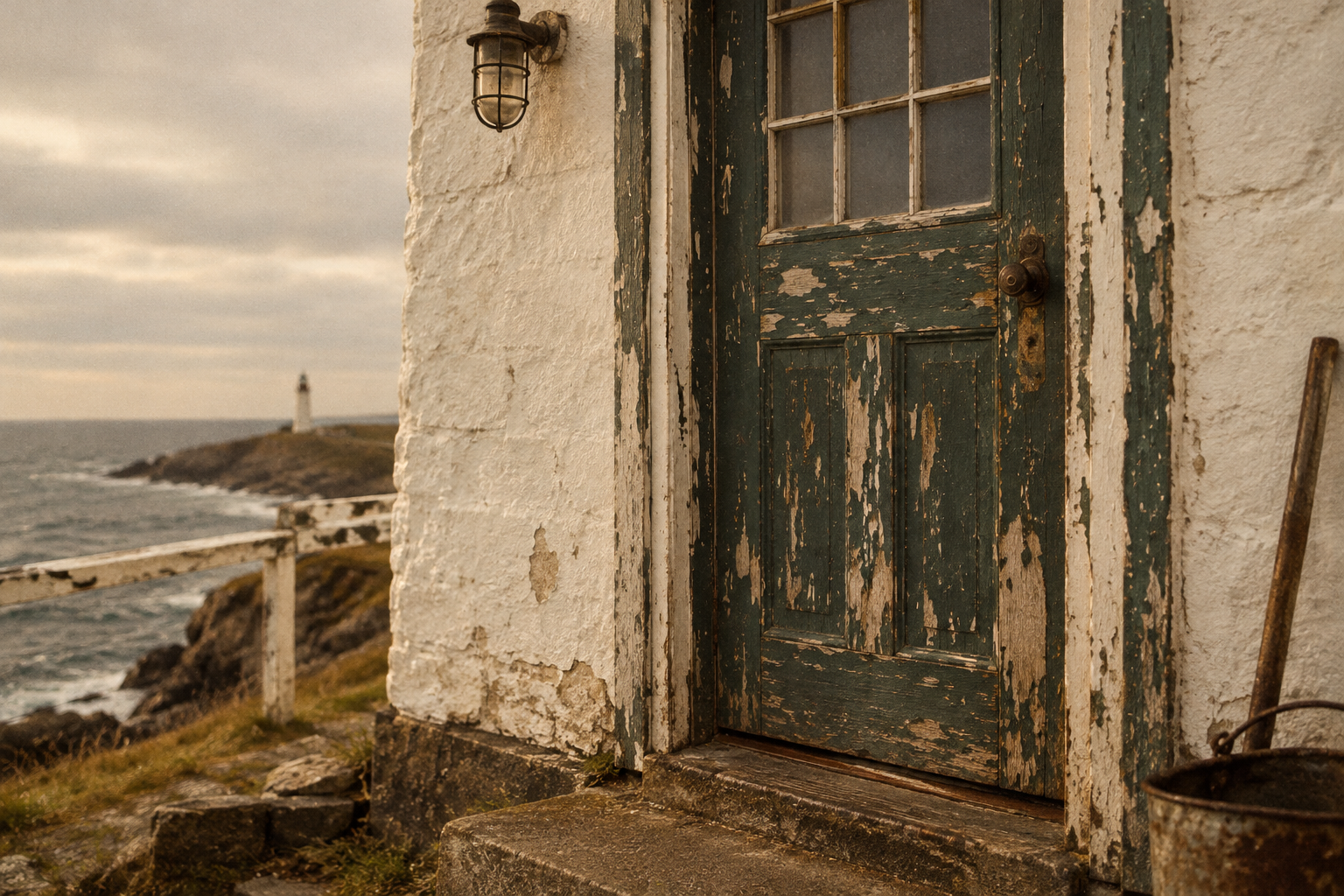
Salt, wind, and repeated coats of paint leave their record on the entrance.
Architectural detail · field note
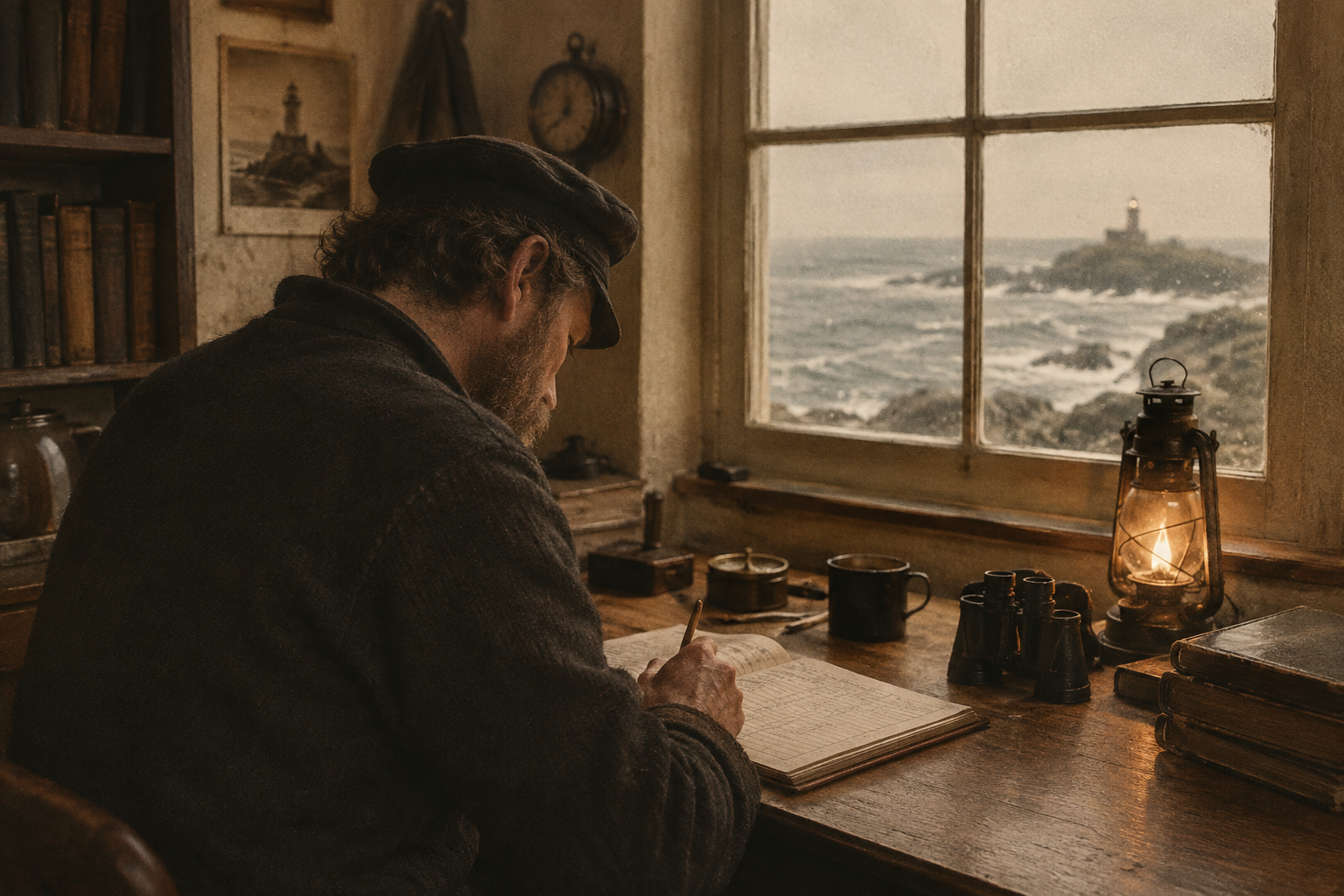
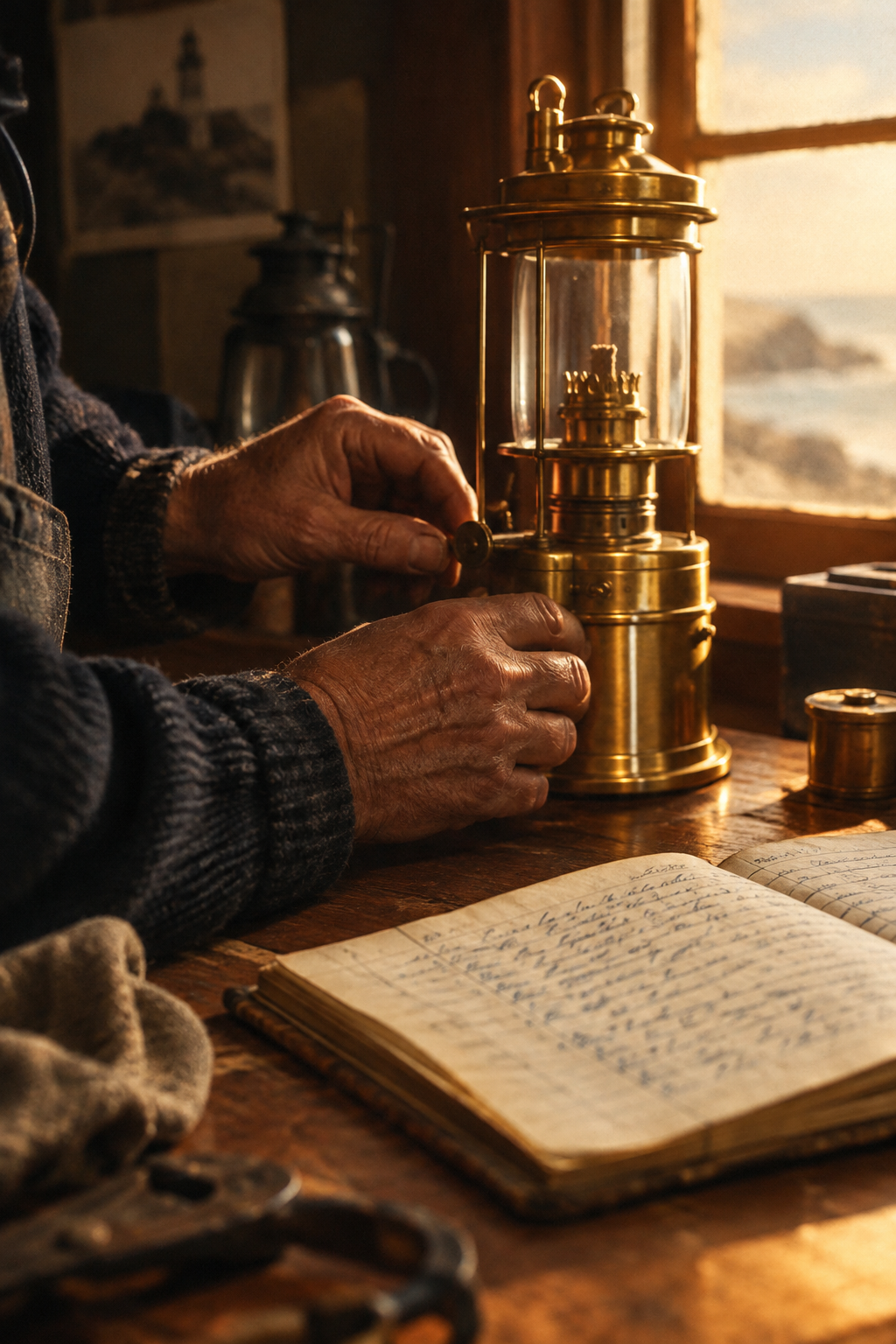
Routine observations transformed changing weather into a disciplined written watch.
Document study · interpretive image
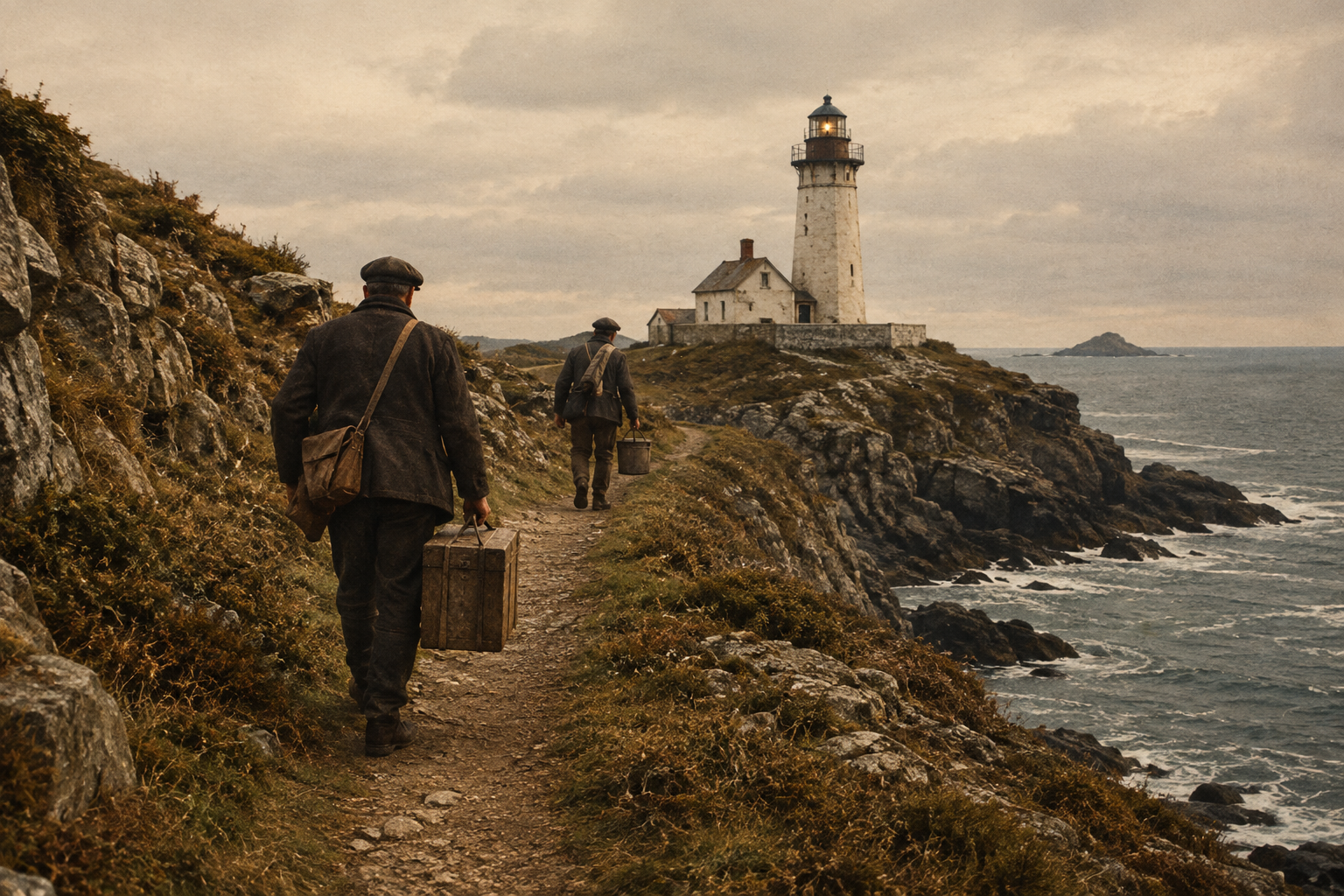
The route to the tower was part of every supply run and every change of watch.
Landscape study · coastal approach
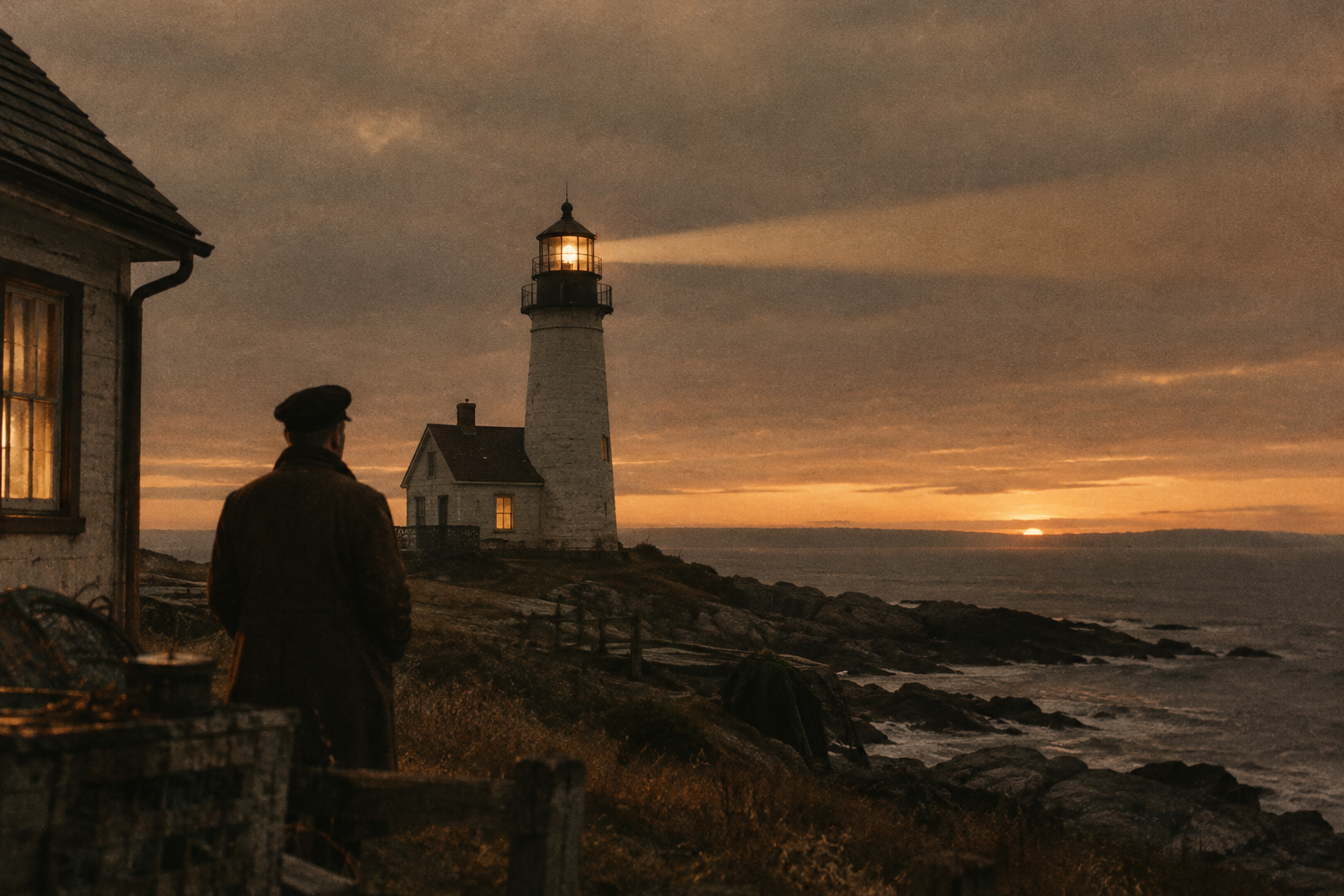
At dusk, the tower separates from the horizon and begins its nightly work.
Evening study · lantern hour